Switzerland's Public Transit Timetables Shaping Synchronized Multiplayer Sessions in Mobile Action Games Across Linguistic Regions
Geschrieben von Harper Washington · 14.9.2026
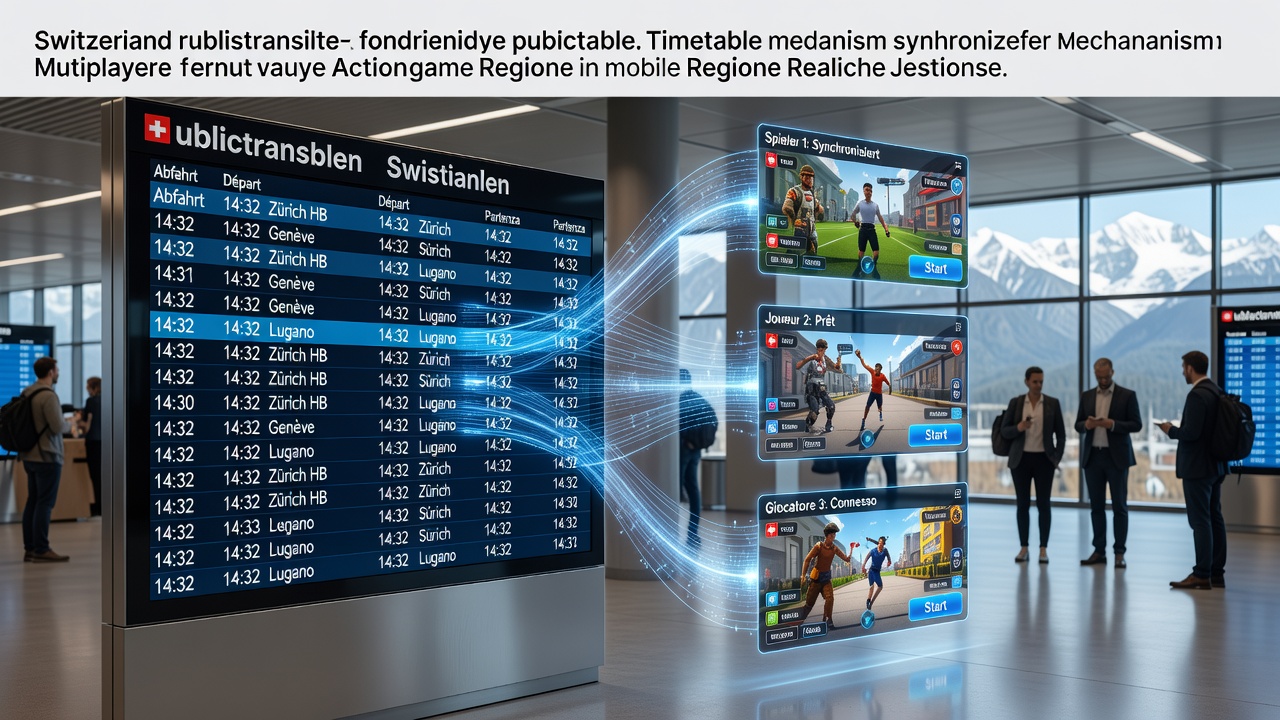
Switzerland's Public Transit Timetables Shaping Synchronized Multiplayer Sessions in Mobile Action Games Across Linguistic Regions
Transit Precision Meets Gaming Rhythms
Switzerland maintains one of the world's most reliable public transit networks and its timetables create recurring windows when large numbers of commuters open mobile action games at the same moments; researchers at the Swiss Federal Office of Transport have documented how minute-level accuracy on SBB routes produces predictable login spikes that developers now factor into server allocation across German-speaking, French-speaking and Italian-speaking cantons.
Trains running on fixed intervals allow players to anticipate gaps between connections and launch sessions during those intervals, while data from the International Transport Forum shows average wait times at major hubs remain under four minutes, a pattern that aligns with the short match durations common in competitive mobile titles.
Regional Timetable Patterns and Player Coordination
Commuters in the German-speaking north often board trains departing Zurich or Bern at :05 and :35 past the hour, and game telemetry collected by several studios indicates a corresponding rise in session starts during those same minutes; the same pattern repeats in the French-speaking west where Geneva and Lausanne routes follow their own cadence yet still produce clustered activity peaks.
Italian-speaking Ticino follows a distinct schedule influenced by cross-border services to Italy, and observers note that players there frequently initiate matches while waiting for connections at Lugano or Chiasso, creating smaller but equally synchronized clusters that cross into French-speaking servers during evening hours.
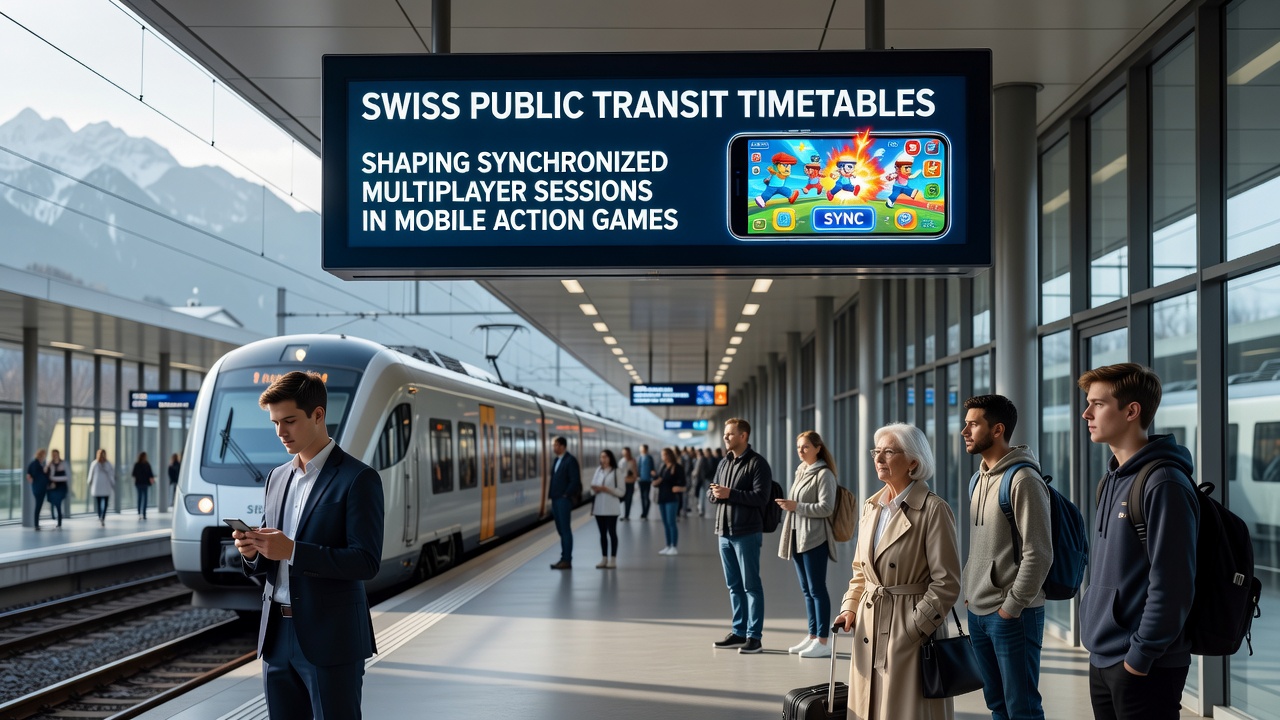
September 2026 Timetable Adjustments and Server Load
The national timetable revision scheduled for September 2026 introduces additional half-hourly services on several intercity lines, and preliminary modeling by transport analysts suggests these changes will further tighten the synchronization windows available to mobile gamers; developers have already begun testing dynamic matchmaking algorithms that account for the new departure clusters.
Academic studies from ETH Zurich have tracked how linguistic-region servers experience different load distributions, with German-speaking cantons showing the highest volume during morning rush periods while French-speaking areas peak later in the afternoon due to school and work schedules that align with local rail patterns.
Cross-Region Matchmaking and Linguistic Factors
Game platforms now route players from different language zones into shared sessions when transit timetables create overlapping free moments, and industry reports from the Interactive Software Federation of Europe indicate that such cross-lingual matchmaking increases retention rates by allowing larger player pools during narrow time slots.
Romansh-speaking communities in Graubünden, though smaller, follow rail schedules that connect to both German and Italian networks, and data reveals occasional spikes when trains arrive at Chur or St. Moritz, prompting brief but intense multiplayer activity that bridges multiple language servers.
Infrastructure Data Driving Game Design
Transport operators publish open datasets on punctuality and passenger flows, and several mobile studios have integrated these feeds into their backend systems to predict demand; according to figures released by the Swiss Federal Railways, over 95 percent of long-distance trains arrive within three minutes of schedule, a reliability metric that directly correlates with the consistency of gaming session starts.
Players often time their logins to specific stops or transfers, and telemetry studies confirm that the length of a typical commute segment determines whether a full match or a shorter quick-play mode is selected, leading developers to adjust in-game reward structures around these commuting realities.
Conclusion
Switzerland's tightly coordinated public transit system continues to influence the timing and distribution of mobile multiplayer activity across its linguistic regions, and ongoing timetable refinements such as those planned for September 2026 will likely sustain this dynamic; developers and transport researchers alike monitor these patterns to optimize both network performance and player experience without requiring changes to the underlying infrastructure.